 BCIN Certified
When you decide to build a project, it is easy to imagine yourself relaxing on the deck, enjoying the new addition, or stepping into your brand-new cottage.
However, the reality of getting from that initial vision to a building permit is a journey. It can be a complex, multi-stage process. While the complexities vary depending on your specific project, the underlying steps almost always follow the exact same path.
Navigating this journey successfully means knowing how each stage connects and understanding when specialized experts need to be brought in.
Here is the step-by-step framework every project goes through.
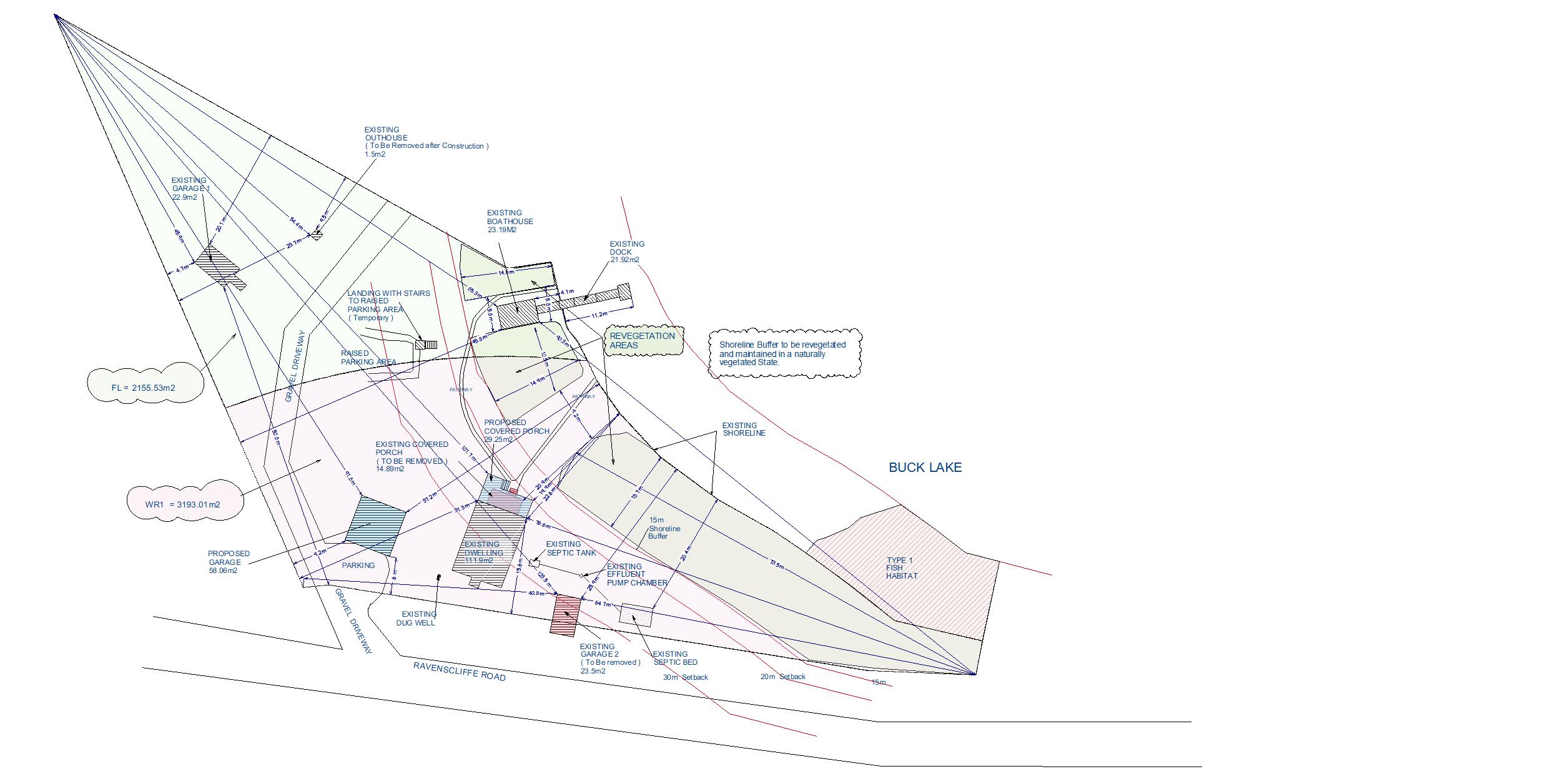
Site Feasibility
- Establishing the parameters for the design
- Site Plan Creation
- Zoning Compliance – Site feasibility
Design
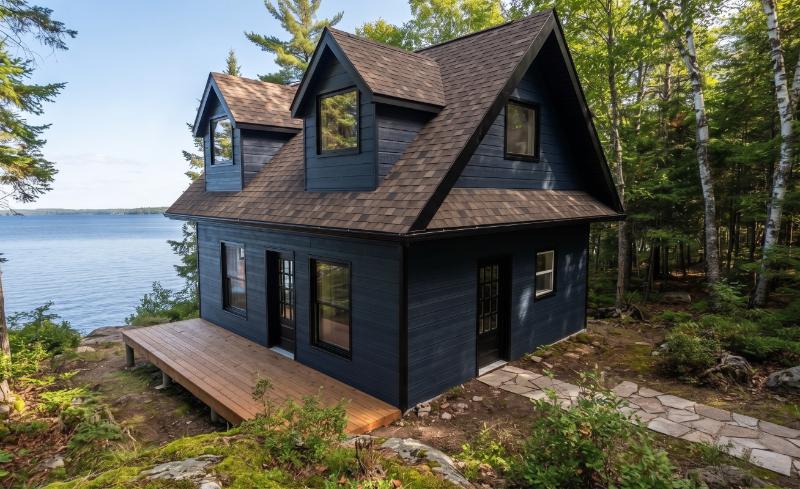
Once the rules of the land are established, the creative process begins.
- Conceptual Design
- Construction Plan Layouts
Planning Approvals
If your site feasibility study reveals that your project doesn’t strictly align with current zoning by-laws, this phase is necessary before permit application submission
- Further Zoning Approvals
- Site Plan Agreements
- Agency Clearances (MNR, TSW, CA’s)
Permit Coordination
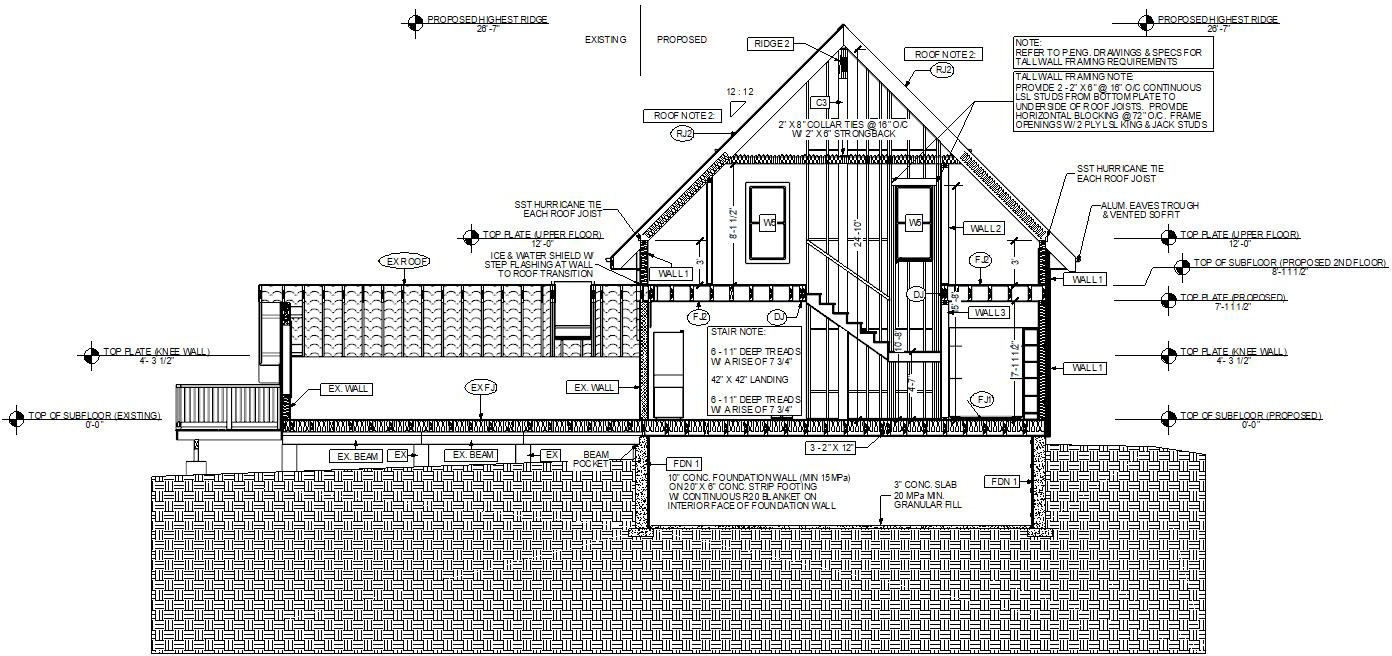
A complete building permit application requires a team of technical specialists.
- Engineering.
- HVAC Design
- Supplier Coordination (engineered component layouts, such as LVL beams, I-joist floor systems, and roof trusses)
The Permit Submission Process
Coordinated application process submission.
- Zoning Review
- Plan Review & Resubmission
- Permit Issuance
- The permit is issued, and your project can officially begin construction
I have intentionally left out specific timelines. Each municipal planning & building department, and every unique waterfront property operates on its own schedule.
The length of time it takes to achieve approvals can fluctuate greatly based on municipal timelines, environmental seasons, and the complexity of the project.
While the permitting process can feel lengthy and filled with administrative hurdles, it serves a vital purpose. By respecting these steps and protecting our shorelines through good development practices, we ensure that our lakes remain healthy, vibrant, and beautiful for generations to come.
Ready to start the conversation, reach out to us to start the conversation.
— Bobbi